Introduction: When Growth Stops Without Warning
Most brands assume growth stops because of external reasons:
- Algorithms changed
- Ads became expensive
- Competition increased
- Market slowed down
But in many cases, growth doesn’t stop because of outside pressure.
It stops because the brand itself unknowingly puts barriers in its own path.
These barriers aren’t obvious. They’re built slowly—through decisions that seem logical in isolation but damaging when combined.
1. Confusing Optimization With Progress
One of the most common growth blockers is over-optimization.
Brands keep refining:
- Messaging
- Funnels
- Ads
- Landing pages
But optimization without fresh learning eventually leads to stagnation.
When everything is “optimized,” nothing new enters the system. Growth requires friction, testing, and uncertainty. Brands that lock themselves into rigid frameworks often stop learning—and learning is the real fuel of growth.
2. Changing the Message Too Often
In an attempt to grow faster, many brands constantly change:
- Positioning
- Tone
- Value proposition
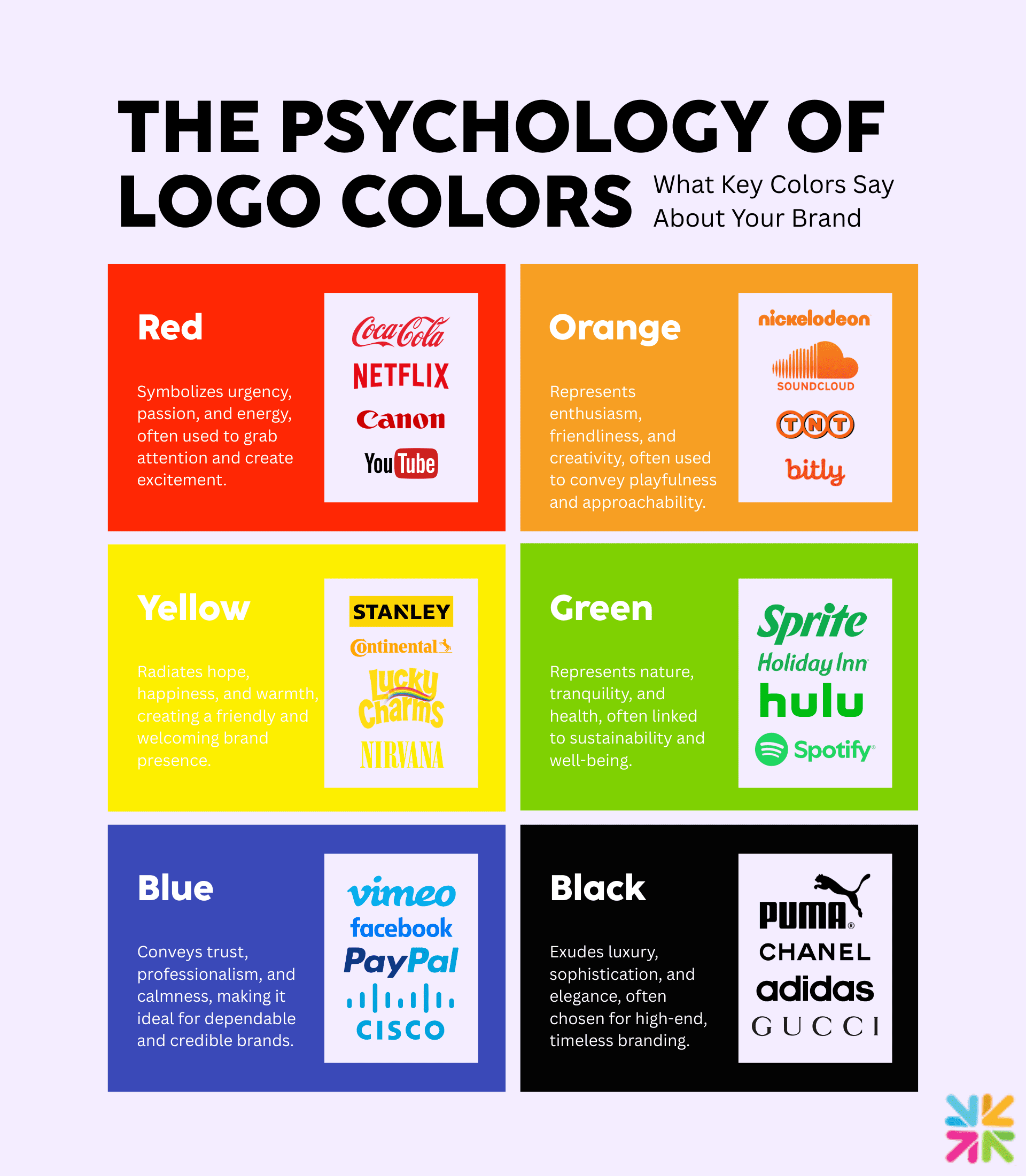
- Visual identity
This creates internal clarity—but external confusion.
Audiences need repetition to build familiarity. When the message keeps changing, trust resets every time. Growth slows not because the message is bad—but because it never stays long enough to be remembered.
This is why brands that grow sustainably often rely on consistent creator-led storytelling systems, sometimes coordinated through ecosystems like Creator Navigator, to maintain message stability while still evolving creatively.
3. Trying to Appeal to Everyone
Growth feels faster when reach is wide—but wide reach often dilutes relevance.
Brands block growth when they:
- Generalize messaging
- Avoid strong opinions
- Soften positioning
- Play safe
Safe brands are forgettable brands.
Growth accelerates when a brand clearly chooses:
- Who it’s for
- Who it’s not for
- What it believes
- What it stands against
Clarity attracts the right audience faster than broad appeal ever could.
4. Over-Explaining Instead of Building Trust
Many brands believe growth comes from explaining more:
- More features
- More proof
- More details
- More claims
But over-explanation often signals insecurity.
Trust isn’t built by saying everything—it’s built by saying the right thing consistently. Brands that trust their message allow space for curiosity, instead of overwhelming audiences with information.
This principle is why UGC and creator-led growth strategies—often supported by platforms like Creator Navigator—focus on experience and emotion rather than heavy explanation.
5. Measuring the Wrong Signals
Brands often block growth by celebrating metrics that don’t reflect reality:
- High impressions, low recall
- Good CTR, poor conversion
- Engagement without retention
These vanity signals create false confidence.
Real growth signals look like:
- Returning users
- Brand recall
- Faster decision-making
- Organic referrals
When brands don’t track what truly matters, they optimize the wrong things—and growth stalls silently.
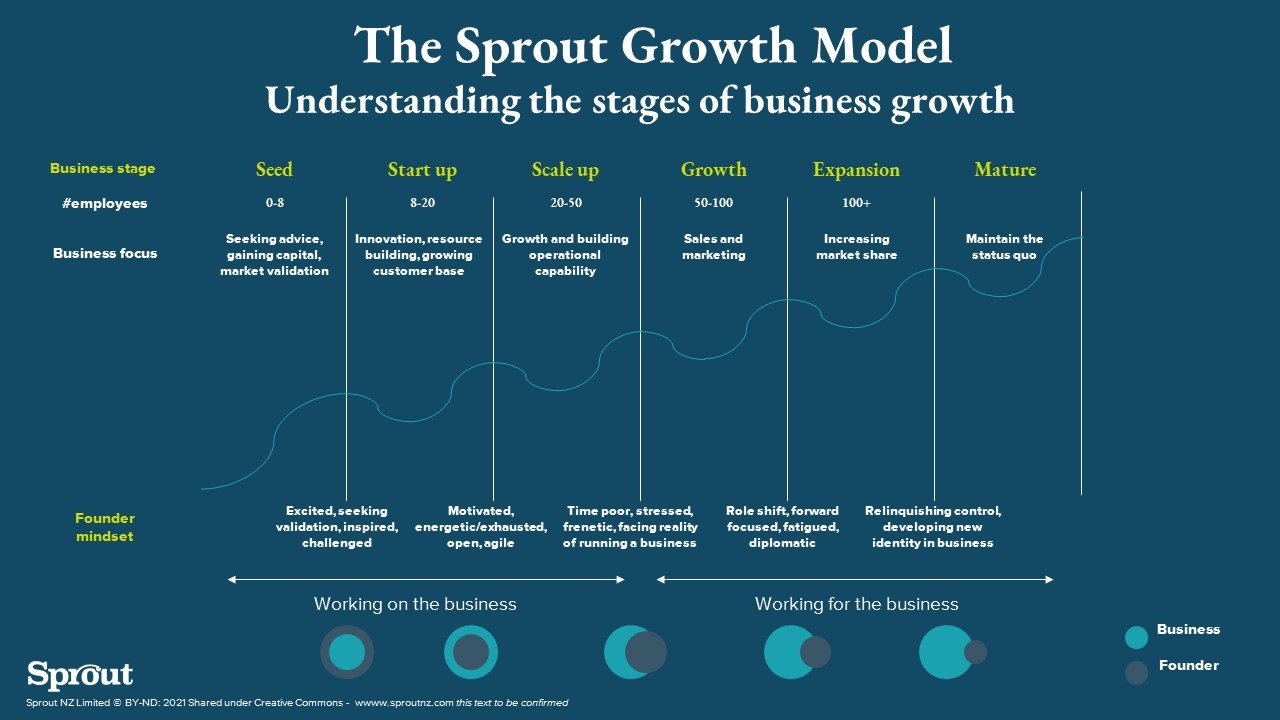
6. Scaling Before Stability
Scaling magnifies everything—including weaknesses.
Many brands try to scale:
- Ads
- Content
- Creators
- Channels
Before stabilizing:
- Messaging
- Trust
- User experience
- Emotional consistency
This creates growth spikes followed by drops.
Growth should feel boring before it feels big. Brands that skip this phase often block themselves from long-term scale.
7. Treating Growth as a Department, Not a Behavior
When growth is owned only by marketing, it becomes fragmented.
Real growth is shaped by:
- Product clarity
- Customer experience
- Support conversations
- Content tone
- Community feedback
Brands that isolate growth inside campaigns miss the bigger picture—and limit their own momentum.
Conclusion: Growth Breaks Quietly, Not Dramatically
Brands rarely “fail” at growth.
They slowly restrict it—decision by decision.
Growth unlocks when brands remove internal friction, clarify their message, and allow trust to compound. Often, the biggest growth opportunity isn’t doing more—but undoing what’s quietly holding you back

Related Posts