Introduction: When UGC Doesn’t Work
UGC videos are powerful—but only when done right.
Many brands jump into UGC expecting instant results, only to be disappointed. The issue isn’t UGC itself; it’s how brands execute it. Poor strategy, over-control, and lack of structure can kill UGC performance.
Let’s break down the most common UGC video mistakes brands make—and how to fix them.
1. Treating UGC Like Traditional Brand Ads
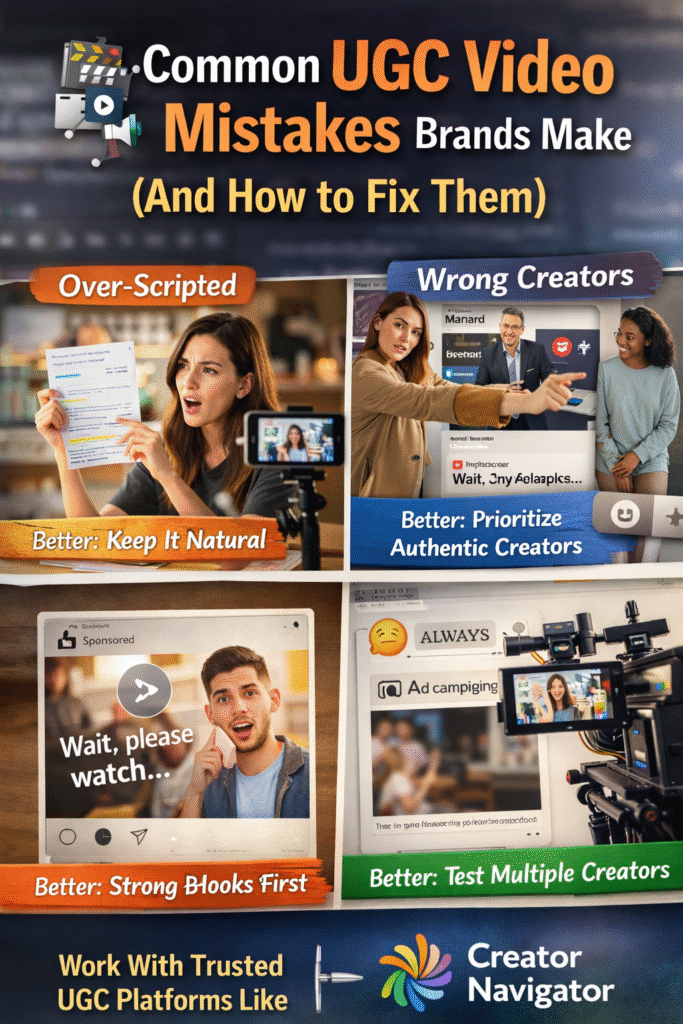
One of the biggest mistakes brands make is turning UGC into scripted commercials.
Common problems:
- Forced dialogues
- Brand-heavy language
- Over-editing
- Corporate tone
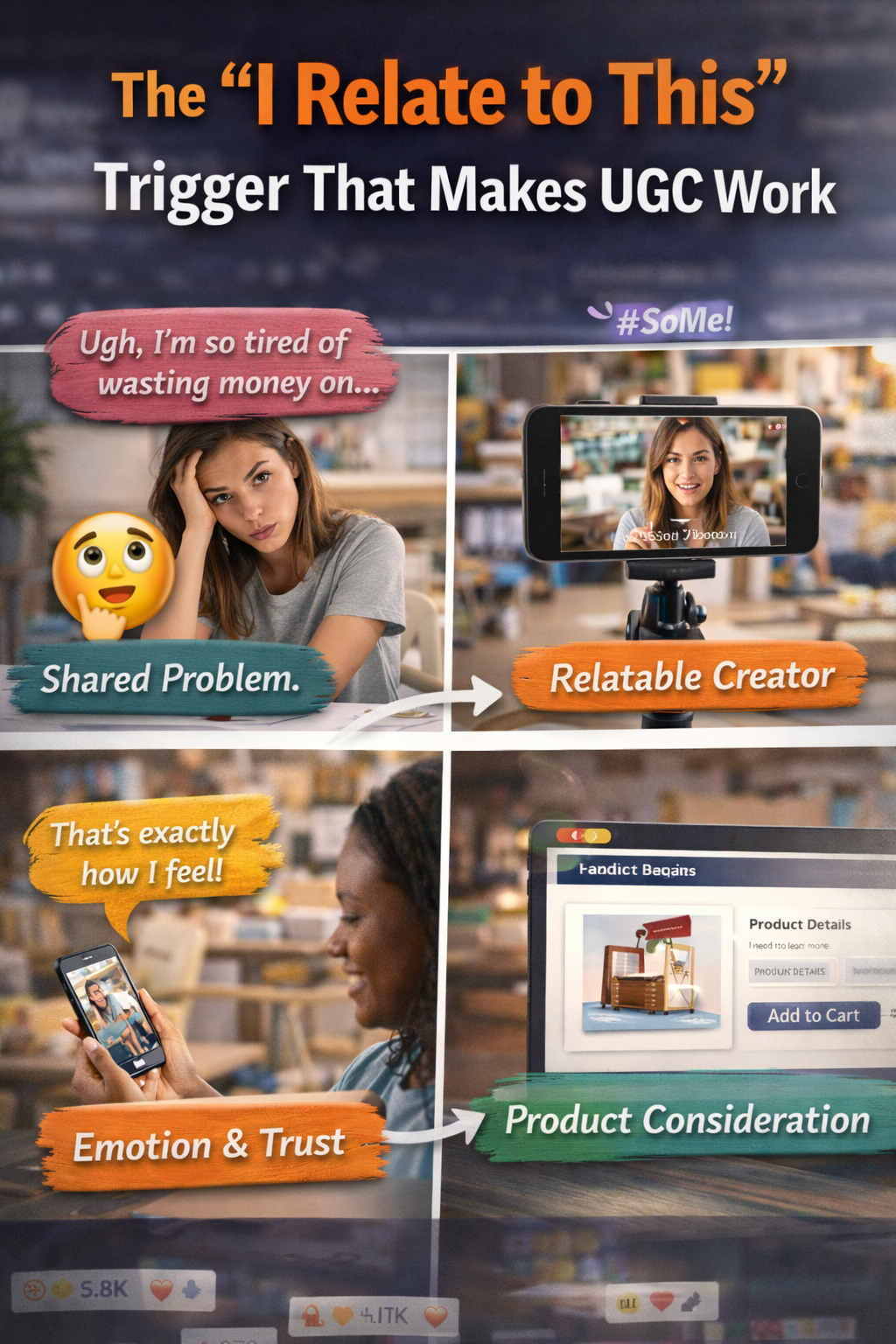
UGC works because it feels natural. When brands over-control the message, the content loses credibility. Successful brands allow creators creative freedom while providing light guidelines—often through managed creator systems like those offered by Creator Navigator.
2. Choosing the Wrong Creators
Not every creator is a good fit for every brand.
Mistakes include:
- Prioritizing follower count over relatability
- Hiring influencers instead of everyday creators
- Ignoring audience alignment
UGC creators don’t need millions of followers. They need:
- Authentic delivery
- Natural on-camera presence
- Trust-building communication
This is why many brands now work with curated creator platforms such as Creator Navigator, which focus on matching the right creators to the right brand goals.
3. Ignoring the First 3 Seconds
In UGC, the hook is everything.
Many UGC videos fail because:
- They start slow
- Product appears too late
- There’s no emotional trigger
In high-performing UGC:
- The hook appears in the first 1–3 seconds
- A problem or curiosity is introduced immediately
- The viewer feels compelled to keep watching
Brands that don’t optimize for hooks often see poor retention and wasted ad spend.
4. Using One UGC Video and Expecting Results
UGC is not a “one video” strategy.
Mistakes include:
- Running a single creative for weeks
- Not testing variations
- Ignoring creative fatigue
UGC performs best when brands:
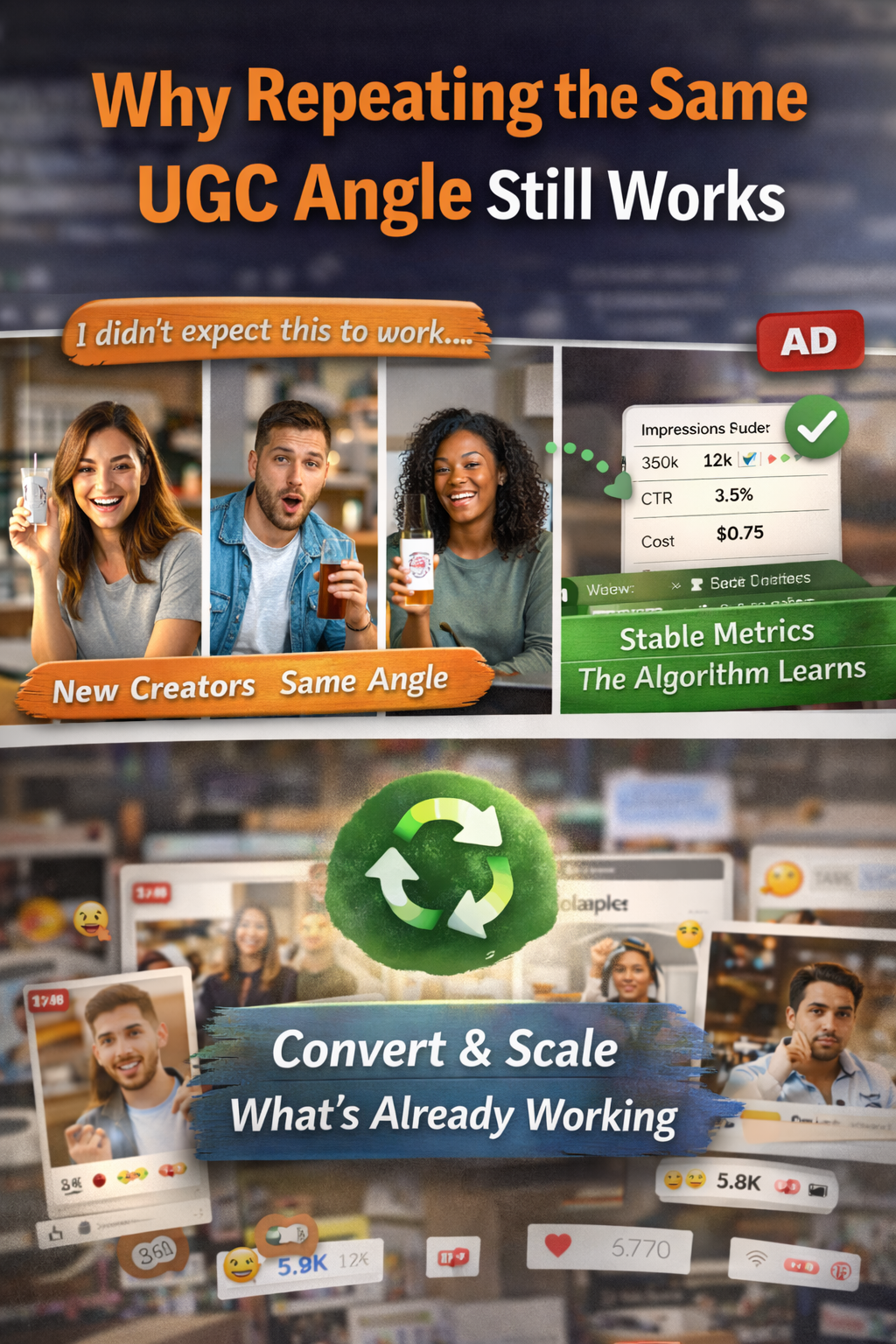
- Test multiple creators
- Use different hooks
- Rotate formats regularly
This is where structured UGC pipelines—like those built by Creator Navigator—help brands scale content without constantly starting from scratch.
5. Not Aligning UGC With the Funnel
UGC videos should match the buyer journey.
Common mismatch:
- Awareness-style UGC used for retargeting
- Sales-heavy UGC shown to cold audiences
Effective UGC strategies:
- Educational UGC for cold traffic
- Social proof UGC for warm audiences
- Testimonial UGC for conversions
Without funnel alignment, even good UGC can underperform.
6. Focusing Only on Aesthetics, Not Emotion
Many brands obsess over lighting, background, and visual perfection.
But UGC success depends more on:
- Emotion
- Relatability
- Real reactions
- Honest storytelling
Raw content often outperforms polished content because it feels more human. Brands that understand this shift—and work with creator-first partners like Creator Navigator—avoid this common trap.
Conclusion: UGC Needs Strategy, Not Guesswork
UGC is powerful, but it’s not magic.
Brands that fail with UGC usually fail because of poor execution—not because UGC doesn’t work. By avoiding these common mistakes and building a structured, creator-led system, brands can unlock the true potential of UGC in 2025 and beyond.

Related Posts