
Introduction: The Shift Brands Can’t Ignore
In 2025, audiences no longer respond to traditional brand ads the way they once did. Polished visuals, scripted dialogues, and studio perfection are no longer enough to earn attention—let alone trust. Instead, UGC videos (User-Generated Content) are dominating ad performance across platforms like Instagram, YouTube, Meta Ads, and even Google Display.
The reason is simple: people trust people more than brands.
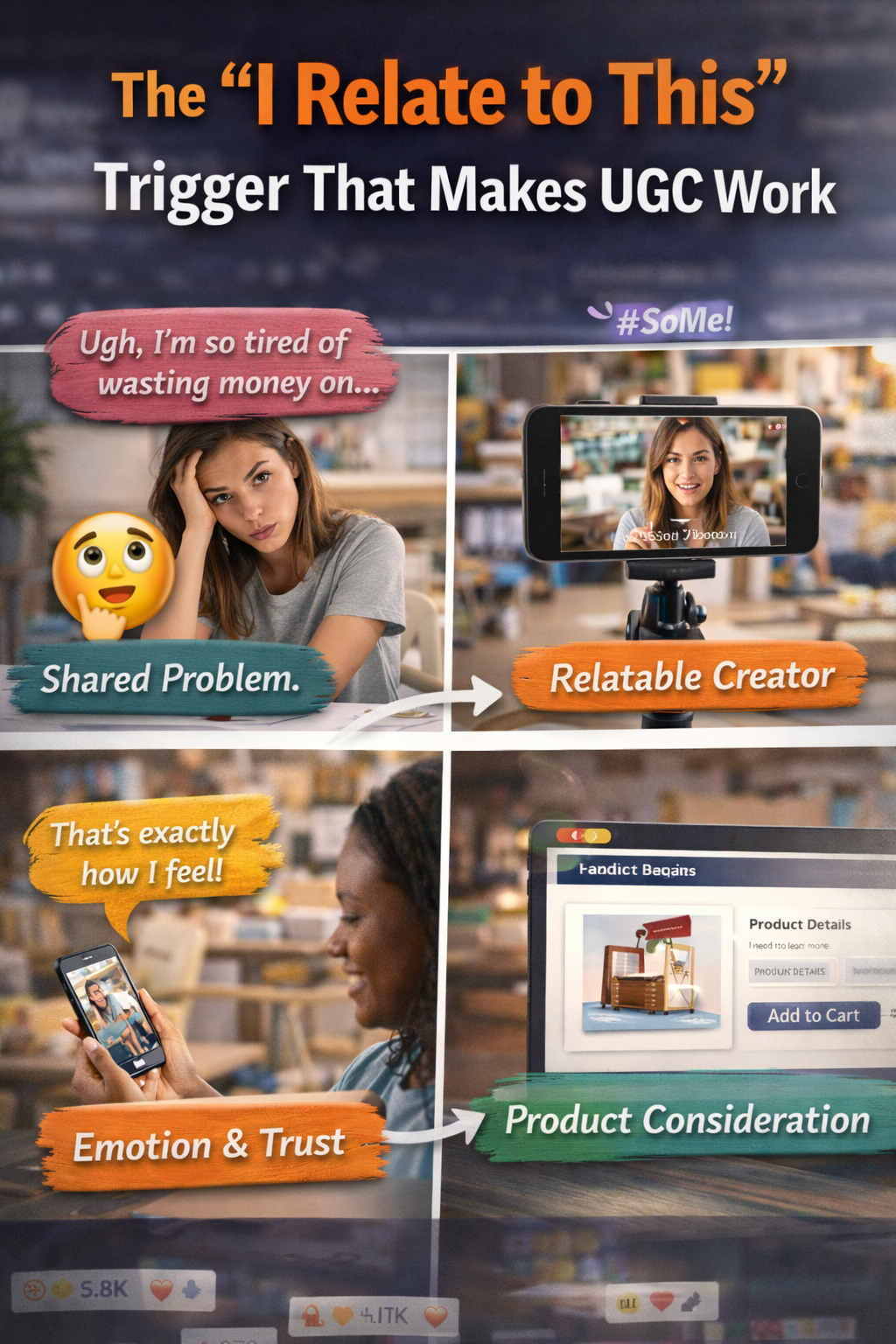
UGC videos feel real, relatable, and unscripted. They blend naturally into social feeds, making viewers more receptive. As digital fatigue grows, authenticity has become the most valuable currency in marketing.
1. Consumers Trust Real People More Than Brands
Modern consumers are highly aware of advertising tactics. The moment a video looks “too perfect,” the brain automatically categorizes it as an ad and starts ignoring it.
UGC videos work because:
- They look like organic social content
- They feature real people, not actors
- They feel like recommendations, not promotions
This trust gap is why many brands are now shifting their ad strategy toward creator-led content, often collaborating with structured UGC partners like Creator Navigator, who specialize in sourcing and managing authentic creator content at scale.
2. UGC Videos Blend Seamlessly Into Social Feeds
Brand ads interrupt.
UGC videos blend in.
On platforms like Instagram Reels or YouTube Shorts, users scroll fast. Anything that looks like a traditional ad gets skipped instantly. UGC videos, however, resemble everyday content—shot on phones, natural lighting, casual tone.
Because of this:
- Viewers don’t feel “sold to”
- Watch time increases
- Engagement improves
- Algorithms push the content further
This native feel is one of the biggest reasons UGC outperforms branded creatives in 2025.
3. UGC Feels Like Advice, Not Advertising
There is a psychological difference between:
❌ “Buy this product”
✅ “I tried this and here’s what happened”
UGC videos often follow a storytelling format:
- A problem
- A real experience
- An honest outcome
This structure makes the viewer feel like they’re receiving advice from a friend rather than being targeted by an ad. Many brands now rely on curated UGC frameworks—often supported by agencies and platforms such as Creator Navigator—to maintain this authenticity while still aligning with performance goals.
4. Short-Form UGC Matches Modern Attention Spans
In 2025, attention spans are shorter than ever. UGC videos are naturally short, punchy, and direct.
They often:
- Start with strong hooks
- Show the product in real use
- Deliver value within seconds
This makes them ideal for:
- Meta Ads
- Shorts-based campaigns
- Performance marketing funnels
Traditional ads struggle to adapt to this fast-paced environment, while UGC was built for it.
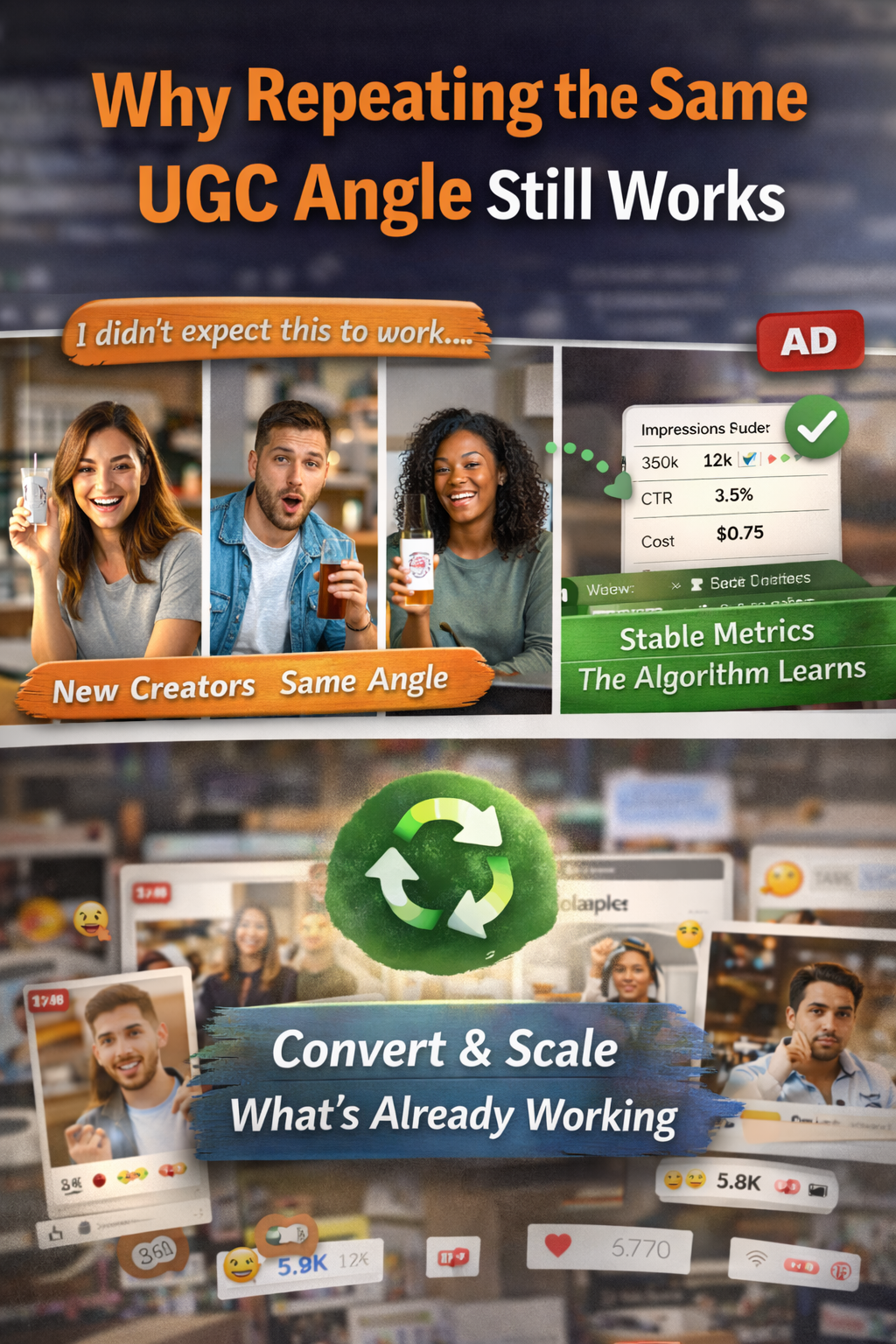
5. UGC Drives Better Performance Metrics
Across industries, brands report that UGC creatives:
- Reduce CPMs
- Increase CTRs
- Improve ROAS
- Lower customer acquisition costs
Why?
Because people engage more with content that feels human.
This is why many performance-driven brands are now integrating UGC into their ad systems through structured creator networks like Creator Navigator, rather than relying solely on in-house brand shoots.
Conclusion: Authenticity Wins in 2025
UGC videos aren’t a trend—they’re a shift in consumer behavior.
In 2025, brands that prioritize real stories, real people, and real experiences will continue to outperform those relying solely on traditional advertising. The future belongs to brands that understand this shift and partner with the right creator ecosystems to scale authenticity without losing control.

Related Posts