Introduction: When “High Quality” Feels Empty
Overproduced content looks impressive.
But increasingly, it feels emotionally distant.
Perfect lighting.
Perfect scripting.
Perfect delivery.
And yet—no connection.
In 2025, audiences are not rejecting quality.
They’re rejecting emotional emptiness disguised as quality.
1. Overproduction Signals Distance, Not Trust
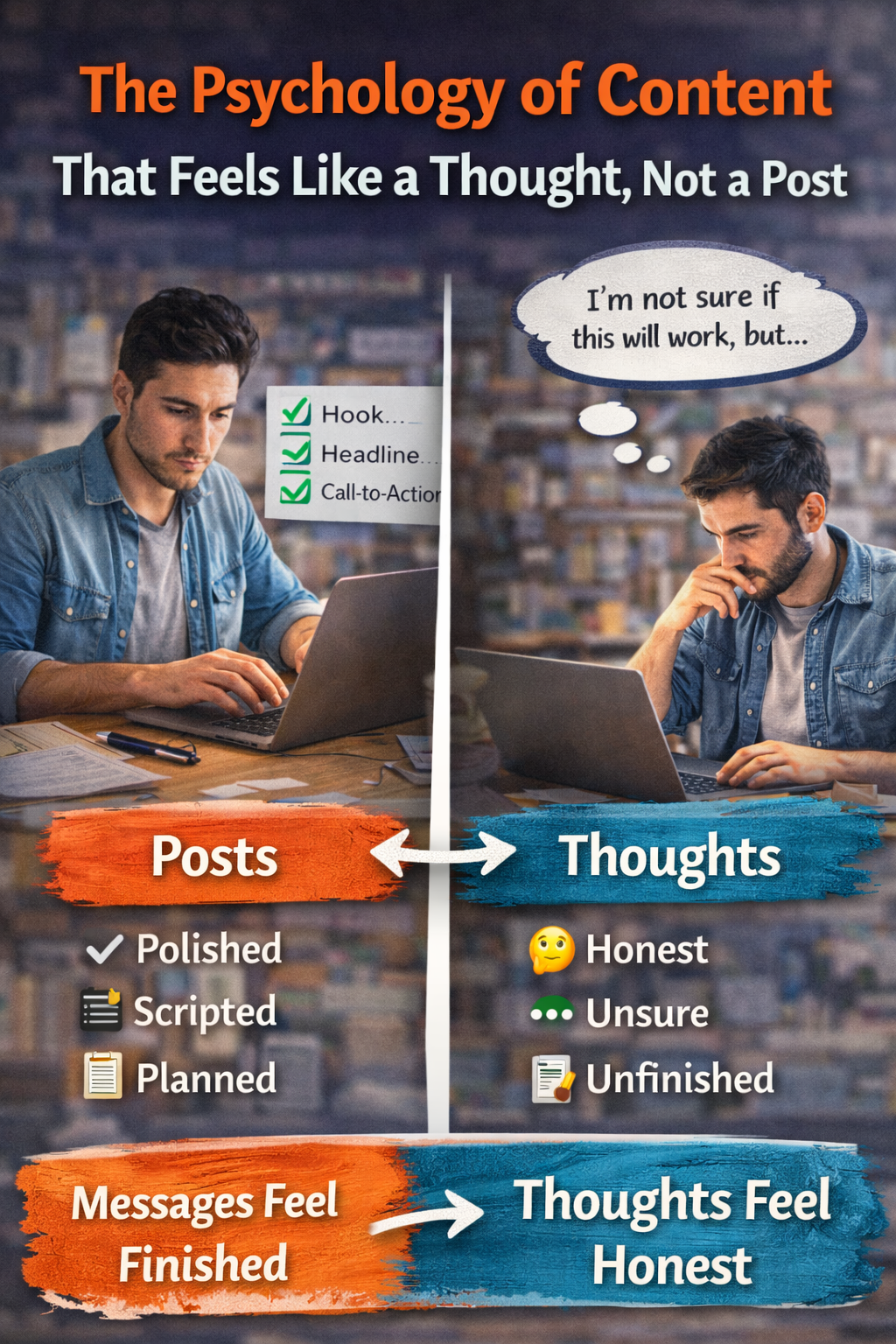
The brain associates polish with planning.
And planning triggers a question:
“What are you trying to make me feel?”
Overproduced content feels:
- Controlled
- Safe
- Filtered
- Calculated
Instead of trust, it creates distance.
2. Why Emotional Imperfection Feels Safer
Humans trust environments where mistakes are allowed.
Raw content includes:
- Slight pauses
- Imperfect delivery
- Natural expressions
- Real environments
These elements signal:
“Nothing is being hidden.”
This is why many brands now rely on creator-led UGC systems—often through partners like Creator Navigator—to balance quality with emotional authenticity.
3. Overproduction Removes Relatability
Perfect settings don’t feel attainable.
Audiences think:
- “This isn’t my life”
- “This isn’t my reality”
- “This isn’t for me”
Relatability disappears when content feels staged.
And without relatability, emotional engagement collapses.
4. The Energy Cost of Watching Overproduced Content
Highly polished content demands attention.
It asks the viewer to:
- Focus
- Process
- Analyze
- Evaluate
But most viewers are already mentally exhausted.
Raw content feels easier to consume.
It flows instead of demanding effort.
5. Why Overproduction Feels Less Honest
Perfection removes friction—but friction is where truth lives.
When everything is smooth:
- Emotions feel muted
- Reactions feel rehearsed
- Trust weakens
Audiences subconsciously know:
“This was designed to feel this way.”
And that awareness breaks emotional immersion.
6. Overproduction Hurts Long-Term Trust
Short-term metrics might look good.
Long-term loyalty doesn’t grow.
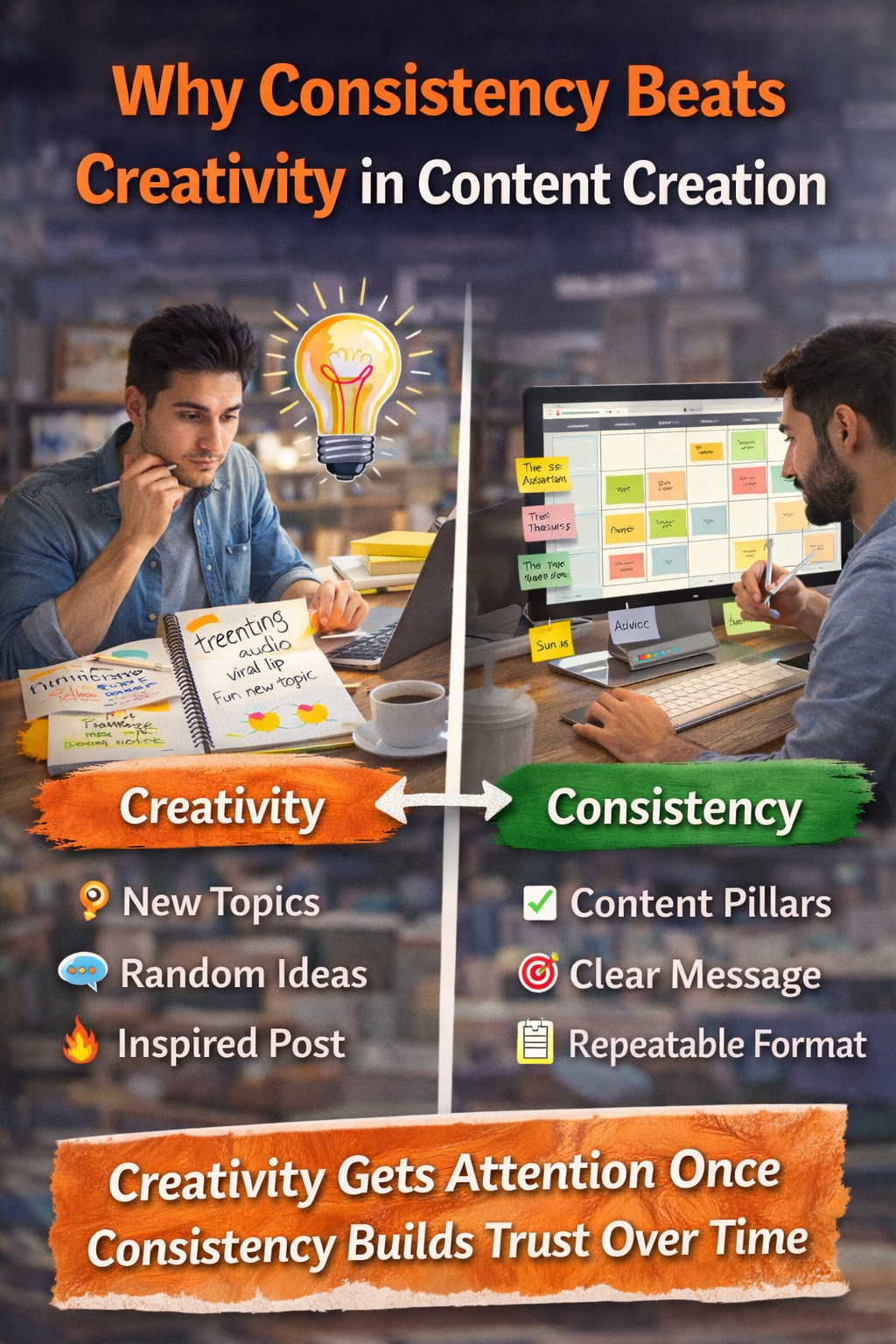
Because trust requires:
- Repeated honesty
- Consistent tone
- Emotional safety
Overproduced content often performs once—but doesn’t build memory.
7. Why Brands Are Moving Backward to Move Forward
The future isn’t low quality—it’s human quality.
Brands are:
- Removing heavy scripts
- Reducing edits
- Letting creators speak freely
- Prioritizing real moments
This shift is often guided by structured creator ecosystems like Creator Navigator, which focus on emotional resonance over visual perfection.
Conclusion: Emotional Cost Is the Real Metric
Overproduced content doesn’t fail because it looks bad.
It fails because it:
- Feels distant
- Feels controlled
- Feels emotionally expensive
In 2025, the strongest content won’t be the most polished.
It will be the most emotionally accessible.

Related Posts