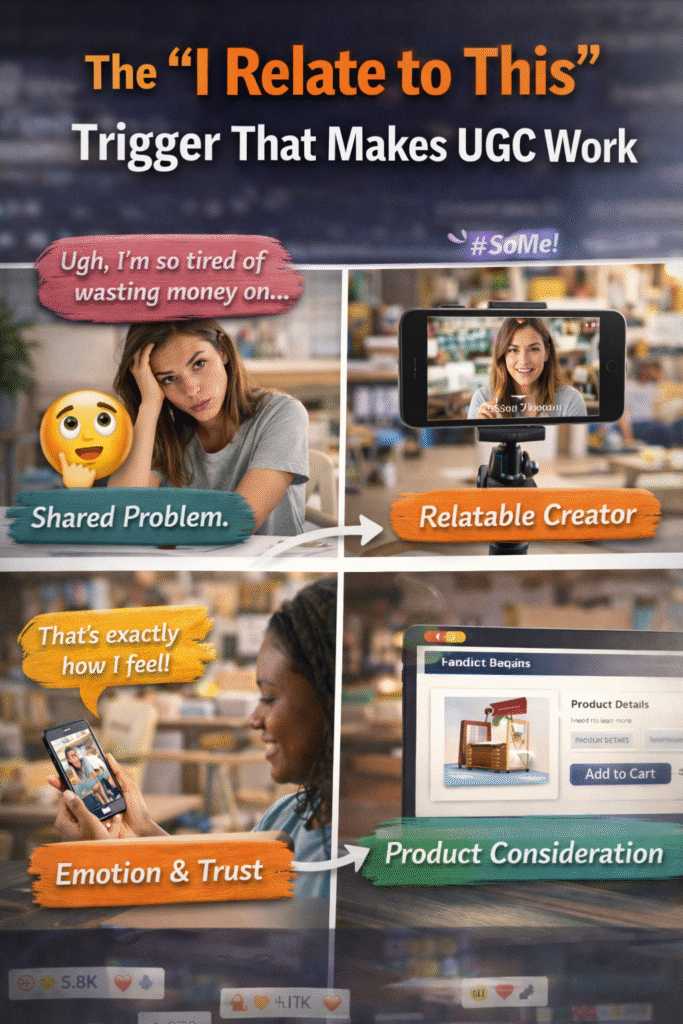
Introduction: Why Relatability Beats Persuasion
Scroll through any social platform today and you’ll notice a pattern. The content that stops people isn’t the most polished or the most persuasive—it’s the most relatable.
UGC (User-Generated Content) works not because it sells harder, but because it connects faster. When a viewer watches a UGC video and thinks, “That’s me” or “I’ve felt this before,” a psychological shift happens. Defenses drop. Attention increases. Trust forms.
This moment—the “I relate to this” trigger—is one of the strongest drivers of UGC performance in 2025.
1. Relatability Is a Shortcut to Trust
Trust is usually built over time, but UGC compresses that timeline.
When viewers see:
- Familiar problems
- Everyday settings
- Natural language
- Honest reactions
Their brain skips skepticism and moves straight to recognition. The content doesn’t feel like advertising—it feels like shared experience.
This is why many brands now design UGC specifically around relatability, often working with creator-led systems like Creator Navigator to ensure creators mirror real customer experiences rather than idealized brand narratives.
2. People Trust People Who Feel Like Them
Humans are wired to trust similarity.
We relate more to:
- Someone who talks like us
- Someone in a similar environment
- Someone with the same struggles
- Someone who doesn’t sound rehearsed
UGC creators aren’t aspirational celebrities. They’re everyday people. And that’s exactly why they work.
The moment a viewer thinks, “This person is like me,” the message feels relevant—and relevance is the foundation of conversion.
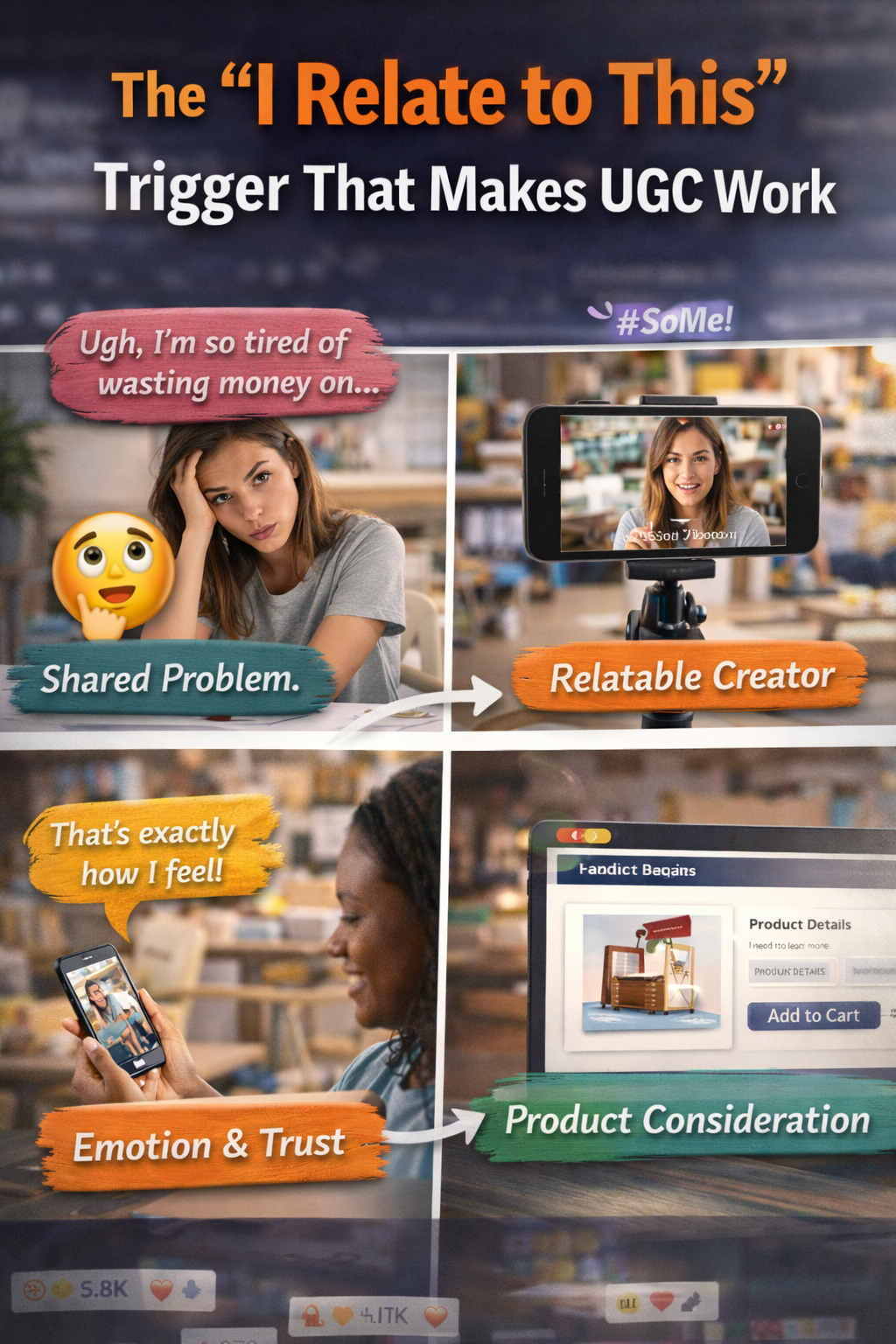
3. The Power of Shared Problems
Relatable UGC often starts with a problem, not a product.
Examples:
- “I was tired of wasting money on…”
- “I struggled with this for months…”
- “I didn’t think anything would fix this…”
These openings work because they mirror internal thoughts viewers already have.
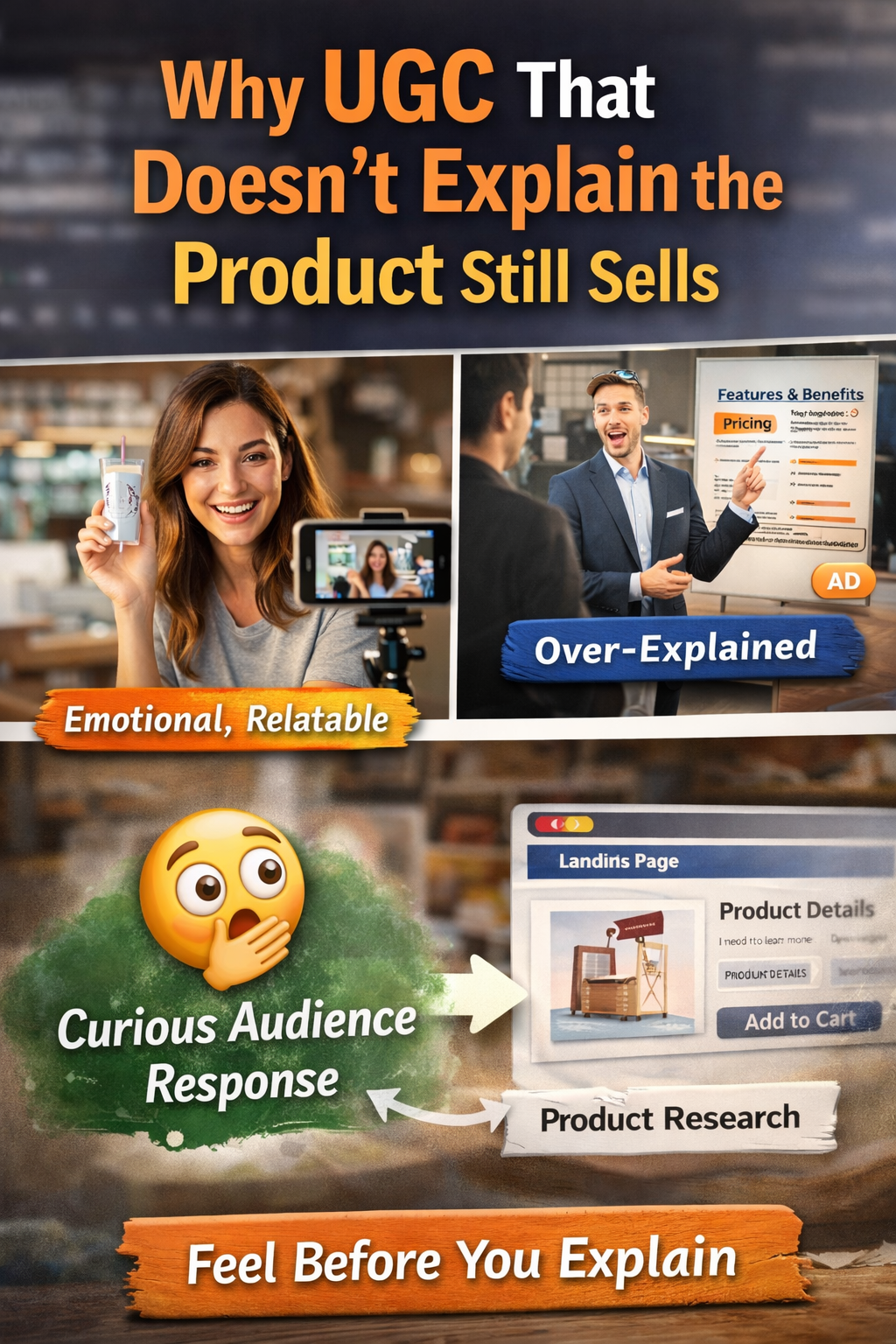
Instead of introducing a solution immediately, relatable UGC validates the viewer’s experience first. This validation builds emotional alignment before any selling happens.
4. Why Perfect Content Feels Distant
Highly polished ads often fail because they feel too far removed from real life.
Perfect lighting, perfect homes, perfect scripts—these create distance, not trust.
Relatable UGC thrives on:
- Slight imperfections
- Casual speech
- Real environments
- Unfiltered reactions
These elements signal honesty. And honesty creates connection.
This is why many brands prefer working with structured UGC partners like Creator Navigator that prioritize authenticity over artificial perfection.
5. “I Relate” Creates Emotional Safety
When viewers relate to content, they feel understood.
This creates emotional safety:
- They don’t feel judged
- They don’t feel pressured
- They don’t feel sold to
Instead, they feel seen.
Once emotional safety is established, viewers are far more open to hearing a message, considering a product, or taking the next step in the funnel.
6. Relatability Reduces Ad Resistance
Ad resistance is the automatic defense people activate when they recognize an ad.
Relatable UGC avoids triggering this defense because:
- It blends into organic content
- It uses familiar storytelling
- It feels like peer-to-peer communication
Instead of pushing a message, it invites the viewer into a moment.
Brands that understand this often build UGC strategies around human moments rather than marketing claims—something commonly supported by creator ecosystems like Creator Navigator.
7. Language Matters More Than Production
Relatable UGC doesn’t sound like marketing.
It sounds like:
- A conversation
- A confession
- A personal observation
Simple language outperforms polished copy because it mirrors how people actually think and speak.
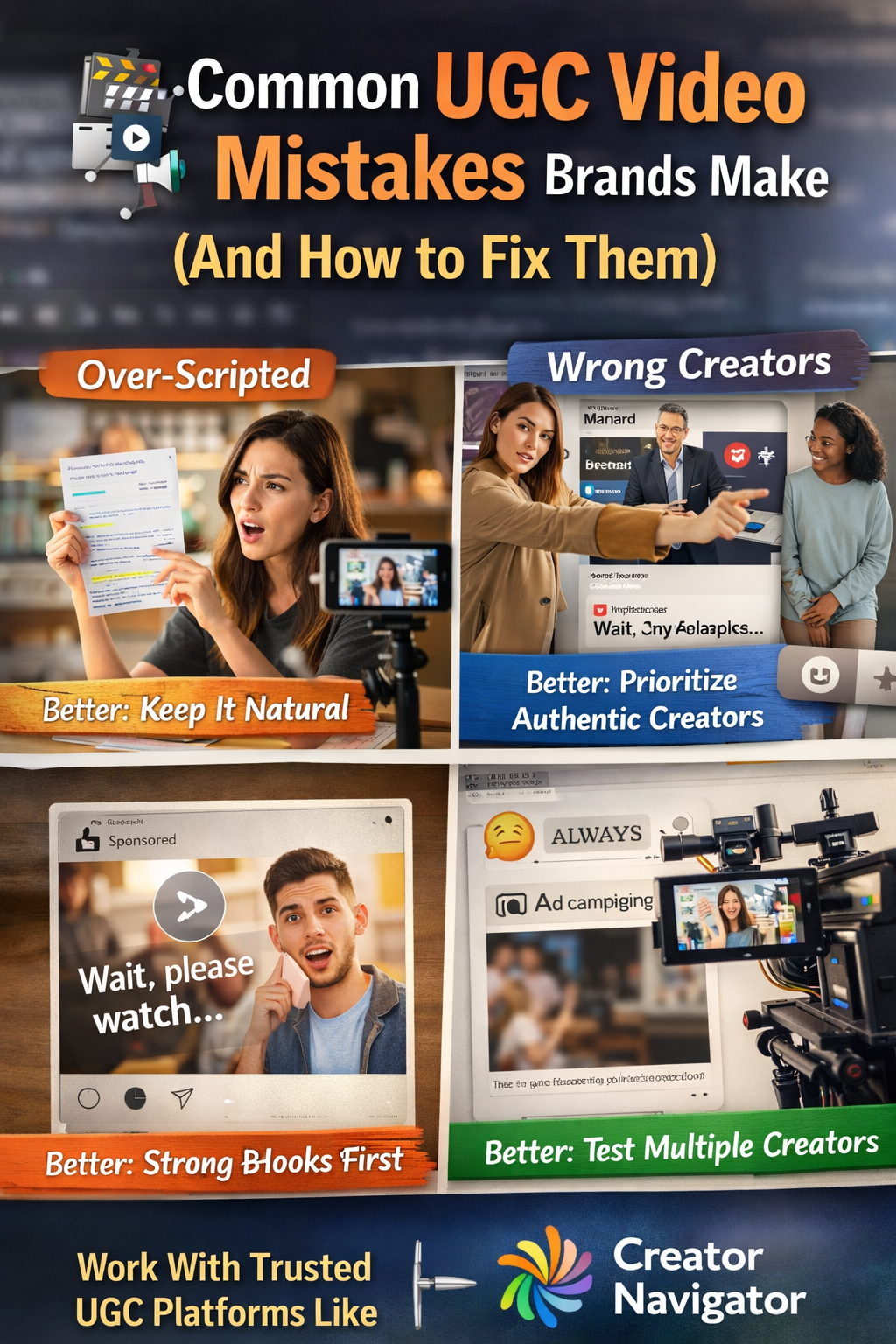
This is why UGC scripts—when used at all—are often loose guidelines, not word-for-word instructions.
8. Why Relatable UGC Drives Longer Watch Time
When viewers relate, they stay.
They want to see:
- How the story ends
- What the person discovered
- Whether the outcome matches their own hopes
This curiosity increases:
- Watch time
- Engagement
- Algorithmic reach
And higher watch time sends a strong signal to platforms that the content is valuable.
9. Relatability Scales Through Diversity
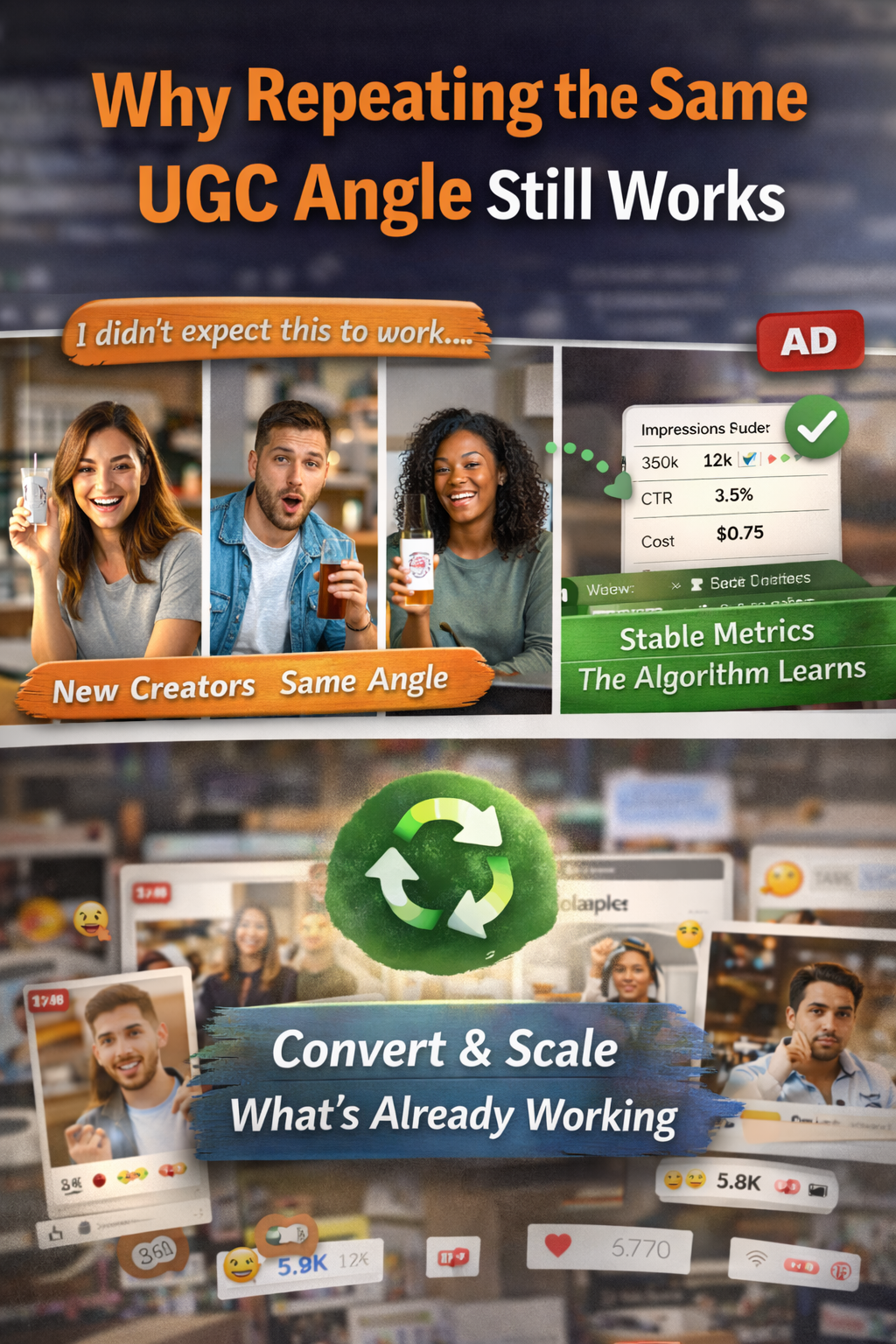
One powerful UGC angle can feel relatable to different people when delivered by different creators.
Each creator adds:
- A new voice
- A new background
- A new nuance
This diversity allows brands to repeat strong angles without creative fatigue—especially when working with curated creator networks like Creator Navigator.
10. Relatable UGC Supports the Entire Funnel
Relatability isn’t just for awareness.
It plays a role at every stage:
- Awareness: “That’s me”
- Consideration: “This might work for me”
- Conversion: “I trust this enough to try”
By the time logic kicks in, emotion has already opened the door.
Conclusion: People Buy What They Relate To
UGC works because it reflects real life—not idealized versions of it.
The “I relate to this” trigger:
- Builds instant trust
- Reduces resistance
- Increases engagement
- Strengthens brand memory
In 2025, the brands that win won’t be the loudest or the most polished. They’ll be the ones that feel the most familiar.

Related Posts